
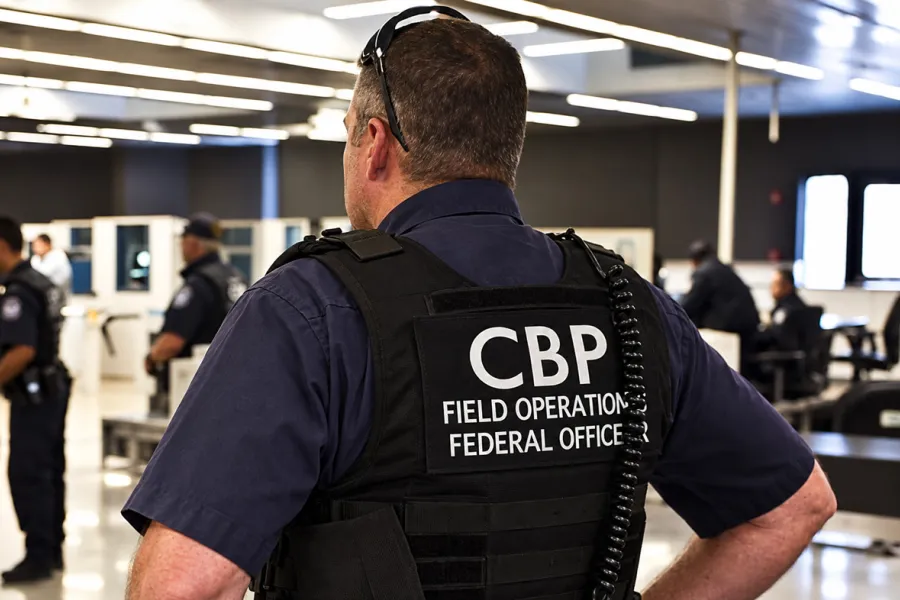
Recent arrests and removals of cruise ship crew at U.S. ports have left many scared and confused. As ships prepare to move from Europe to the United States, crew say they still have questions about phone searches, what authorities are investigating and what these developments could mean for them.
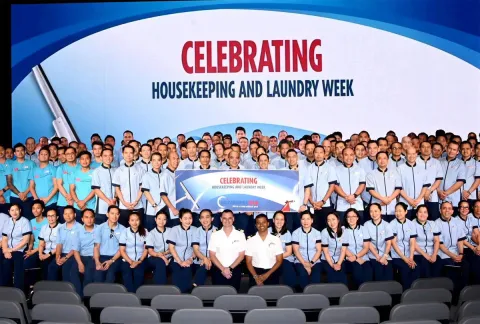
According to information shared with Crew Center, Norwegian Cruise Line has organized fleetwide town hall meetings to advise crew. The crew say they attended a meeting led by the captain and HR director a couple of weeks ago, where the warnings were direct and repeated.
The message, the worker recalled, was: “Don’t share it, don’t download it, don’t watch it,” along with instructions to report suspected material involving child sexual abuse.
But the meeting also left workers deeply unsettled.
“It makes all of us so scared,” they say, describing a theater so quiet that hardly anyone could be heard. Crew cards were checked to record attendance, according to their account.
The crew say the discussion continued long after everyone left the theater. Colleagues began asking each other what the searches involve and whether officers select phones randomly or act on information from an existing investigation.
Some were also worried about innocent family photographs. That concern reflects the confusion described by the crew; nudity alone does not establish that an image is child sexual abuse material.
“We don’t know what they are looking for,” the crew member said.
With those U.S. calls approaching, they described growing anxiety among colleagues.
For them, a strong warning about prohibited material has not answered the practical questions about how inspections work or why so many crew members have been caught up in the operation.
The official announcements provide some background. In its September 25 statement, Customs and Border Protection said Operation Tidal Wave had resulted in 87 cruise crew removals in Boston since mid-August. The operation targets child sexual abuse and exploitation material.
CBP said six Filipino crew members from Norwegian Breakaway admitted previously possessing such material and were processed for removal following searches of their living quarters and electronic devices. These are the agency’s statements about those cases.
Separately, the U.S. Department of Justice announced a criminal charge against a Norwegian Jewel crew member. The allegations in that case remain unproven, and the accused is presumed innocent unless proven guilty.
Those distinctions matter. Removal under immigration law is not a criminal conviction, and the 87 removals should not be described as 87 people criminally charged.
Still, the public statements leave questions about individual cases unanswered. They do not provide a full account of how workers were selected for screening, what each device search uncovered or why some cases resulted in removal while others led to prosecution.
The crew member suggests that those gaps are being filled by worried conversations among colleagues.
Cruise lines can warn workers about prohibited conduct and encourage reporting. But questions about CBP’s investigative decisions require explanations from the authorities themselves. Without those answers, even a firmly delivered town hall presentation may leave crew unsure rather than reassured.
That uncertainty follows workers into their daily routines. They still have cabins to clean, meals to serve and guests to welcome, while worrying about their next arrival in a U.S. port.
How do they put on a welcoming smile when they feel frightened about what lies ahead?
Protecting children and investigating suspected abuse are essential. Clear information and support for the wider crew community are also needed. Allegations against individuals should not leave an entire workforce, or nationality, feeling under suspicion.
For the crew member immediate need is straightforward: answers they can understand, a place to ask questions and reassurance based on facts.